Gremban & Gremban Dental

Improving your smile

office
phone
  • 865 North Railroad Street
    Eagle River, WI 54521
  • (715) 479-6100

Our Blog

Are My Child’s Baby Teeth on Schedule?

May 9th, 2019

Your darling three-month old is crying and fussy—can she be teething already? Or, your happy baby boy has just celebrated his first birthday—with only one tooth in that beautiful, gummy smile. Is this normal? Probably! While baby teeth do typically erupt (come in) in the same order for all babies, and around the same time, there is still a lot of flexibility in the time it takes for a full, healthy smile to develop.

Baby teeth actually form before your baby is born, and those 20 teeth are there under the gums waiting to come out and shine. And even though there are no firm and fast dates for each of these primary teeth to erupt, it’s helpful to have a general overview of typical teething patterns so you know what to look forward to.

Incisors

These little teeth create a charming baby smile, and, if your finger has been in the wrong place at the wrong time, a very sharp one as well! That is because these tiny incisors are made to bite into foods. You might notice this when you introduce solid foods, even if the majority of your child’s “chewing” is done with her back gums. These teeth are the earliest to arrive.

  • Six to ten months old: The lower central incisors (bottom front teeth) are often the first to come in.
  • Eight to 12 months old: The upper incisors (8-12 months) are the next to show.
  • Nine to 13 months old: The upper lateral incisors on each side of the front teeth arrive.
  • Ten to 16 months old: The lower lateral incisors appear.

First Molars

Because these are larger teeth, babies often experience another bout of teething pain at this time. The large flat surface of each molar helps your child to chew and grind food, so he can handle a wider variety of foods and develop his chewing skills.

  • 13 to 19 months old: You can generally expect to see the upper first molars arrive.
  • 14 to 18 months old: The lower first molars appear.

Canines (Cuspids)

Fitting between the first molars and the incisors, the strong, pointed shape of the canine teeth allows your child to grip food and break it apart more easily.

  • 16 to 22 months old: The upper two canines make their way into the space between the incisors and the first molars.
  • 17 to 23 months old: The two lower canines appear.

Second Molars

By the age of three, most children have a full set of baby teeth.

  • 23 to 31 months old: The second pair of bottom molars start erupting—you are in the home stretch!
  • 25 to 33 months old: The upper second molars come in—completing that beautiful set of 20 teeth!

Baby teeth are extremely important, as Drs. Darrin and Greg Gremban will tell you when you visit our Eagle River office. They help your child eat and chew, develop face and jaw muscles, assist proper speech formation, and provide space for the adult teeth to come in properly. Now that your child’s smile is complete, keep providing him with the same care and attention you have been giving those little teeth since the arrival of the very first incisor.

It seems that so much of new parenthood is scheduling—when to feed her, when to put her to bed, how many hours between naps. But we soon find out that every baby is not on the same schedule, and the same is true for the arrival of their teeth. We should see your baby when that first tooth comes in, or by his or her first birthday. And if you ever have concerns at any time about your child’s teething schedule or teething delays, always feel free to give us a call.


How can parents help prevent tooth decay?

May 2nd, 2019

Children are born with a set of primary teeth – 20 to be exact – that help them learn to chew and speak, and develop enough space in the jaw for the permanent teeth that will appear several years later. Kids are especially susceptible to decay, which can cause pain and tooth loss – a problem that could interfere with oral development. As a parent, it is important that you take proactive steps to keep your child’s teeth as healthy as possible.

Bottles and “Sippie Cups”

One of the biggest culprits of childhood tooth decay is poor diet. This begins as early as a few months old, when children are often allowed to go to bed with bottles and “sippie cups” of milk or juice. The sugars in these beverages – even natural sugars – can steadily decay the teeth.

Drs. Darrin and Greg Gremban and our staff suggest serving children milk and juice only at meal times, and limiting juice intake to just a few ounces per day. If your child becomes thirsty between meals or likes to go to bed with a bottle, serve water during these times.

Hygiene

As a parent, you can establish healthy dental habits long before your child’s first tooth erupts. Start by gently wiping your baby’s gums with a clean wash cloth during the first months of life. By age one, graduate to an appropriately sized toothbrush with fluoridated toothpaste, and brush at least twice a day.

Dental Visits

Dental visits should start young and continue on a regular basis throughout your child's life. Drs. Darrin and Greg Gremban and our staff recommend parents bring their children to Gremban & Gremban Dental for the first time no later than the child’s first birthday. Initial visits concentrate on parental education, while later visits may include thorough cleanings and fluoride treatments as your child grows.

For more information about keeping your child’s teeth cavity-free, contact our Eagle River office to schedule a dental consultation and checkup.

My gums are inflamed. What can I do?

April 25th, 2019

Inflamed gums are a fairly common dental issue, but unfortunately, many people don't take the problem seriously enough. If you ignore inflamed gums and continue your usual routine, you could be encouraging a much more severe inflammation problem, and the pain that goes along with that. Fortunately, it is quite easy to relieve inflamed gums if you use the tips below.

Use Soft Bristles

A soft-bristle toothbrush - the softest you can buy - is a must for anyone with inflamed gums. Anything that makes contact with your gums can cause you pain, so fine and soft bristles are always the best choice.

Use Sensitive Formula Toothpaste

The toothpaste marketed as “Sensitive Teeth Formula” contain special ingredients to help relieve sensitivity. When your gums are inflamed, even light brushing can cause some pain. Using a special toothpaste will help reduce that pain and make it easier to brush your teeth effectively. The effect becomes stronger as you use the toothpaste more, so use it for each brushing.

Visit Our Office

If your gums remain swollen for more than a few days or a week, set up an appointment with Drs. Darrin and Greg Gremban. There is a long list of conditions that could be causing your swollen gums, everything from gum disease to pregnancy, so you need to find out where your issue is coming from. Most of the time, Drs. Darrin and Greg Gremban can easily treat the swollen gum issue at our Eagle River office, or can give you an effective treatment to take home.

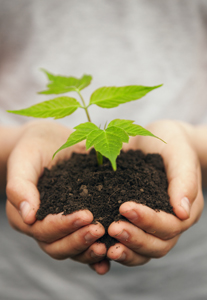
Earth Day

April 18th, 2019

The idea for Earth Day was the brainchild of Gaylord Nelson, a senator from Wisconsin. He envisioned an Earth Day that would be a kind of environmental teach-in. The first Earth Day celebration took place on April 22, 1970, and a surprising 20 million people participated on that day. Ultimately, it became the largest organized celebration in US history.

Earth Day Over the Years

Over the years, the recognition of the day, and the number of people celebrating it all over the world, turned Earth Day into an international celebration. Because it is celebrated throughout the world, it is not only the largest international environmental observation, but it is also more widely celebrated than any other environmental event in the world. Today, Earth Day is celebrated in 175 countries where over 500 million people participate in celebrations.

The Earth Day Movement

The Earth Day movement is credited with developing the idea that people should “think green”. It encouraged congress to enact laws, including one that resulted in the creation of the Environmental Protection Agency. It also inspired the passage of the Endangered Species Act.

The Five R's and Their Importance

  • Reduce – Reduce by avoiding unnecessary purchases. Reduce your use of materials that wind up in landfills. Reduce the use of chemicals around your house. Reduce your use of disposable bags, plates, cups, eating utensils, and batteries.
  • Reuse – Instead of using plastic bags for your groceries or purchases, bring your own reusable bags. When you go to buy coffee at Starbucks, take a travel mug so you don't have to get your coffee in a disposable paper cup. Instead of storing food in disposable refrigerator containers, buy containers that can be washed and reused. Don't use regular batteries. Whenever possible, opt for rechargeable batteries that you can reuse.
  • Recycle – Most cities offer a recycling program to collect used bottles, cans, and newspapers. Recycling includes collecting recyclable materials that would otherwise be considered waste, sorting and processing recyclables into raw materials such as fibers and manufacturing raw materials into new products.
  • Re-buy – Make an effort to purchase things that are made through recycling. When purchasing furniture, look for items that are made from reclaimed wood. When buying paper for kids school work, computer printer paper, holiday cards, or anything else, make a point of purchasing recycled paper products. Instead of buying clothing at full retail price, shop for second hand clothing. You will save a lot of money by doing so!
  • Rethink – Rethink the way you do things so that you do them in an eco-conscious way at all times. Instead of driving to work alone, consider taking the bus or going in a carpool. Walk or ride your bike when you're only going a short distance. Plan your shopping trips and errand runs so that you can do everything on one day, and do it in a way where you can save time and gas.

Other ways to "think green" include growing your own food, composting yard waste and food scraps, or by participating in local recycling programs. Join a group like Freecycle so you can share your unneeded and unwanted possessions with people who can use them. Likewise, you'll be able to get things you need or want for free.

Earth Day teaches people that the planet belongs to everyone, so everyone is equally responsible for protecting it. Although Earth Day is an environmental celebration, our team at Gremban & Gremban Dental wants to remind you that you don't have to wait until then to make changes that will allow you and your family to live a greener life.

Happy Earth Day from the team at Gremban & Gremban Dental.

Back to top