Gremban & Gremban Dental

Improving your smile

office
phone
  • 865 North Railroad Street
    Eagle River, WI 54521
  • (715) 479-6100

Our Blog

CEREC® Crowns vs. Traditional Crowns

August 7th, 2024

There are different situations for which Drs. Darrin and Greg Gremban may recommend a crown, and Drs. Darrin and Greg Gremban will recommend different types of crowns depending on your unique situation. Dental crowns are made from various materials, including all-metal, porcelain-fused-to-metal, all-ceramic or porcelain, or resin. The material the crown is made of will dictate the length of time you may have to wait for it, whether or not you will need a temporary, and of course, the cost.

A crown is a protective cap. Possible reasons Drs. Darrin and Greg Gremban may want to give you a crown include:

  • To cover a tooth after a root canal
  • To cover a cracked or broken tooth
  • To cover a weak tooth, either because of a large filling, or because of the likelihood that it will crack or break
  • To cover an implant
  • To cover anchor teeth that support a bridge

CEREC crowns

CEREC crowns are made of a solid block of ceramic or resin materials. This type of crown is made right in our office during a single visit. There is no need to construct a temporary crown, take impressions for the permanent crown, and wait for the crown to be made at an off-site dental laboratory to be returned to Gremban & Gremban Dental about a month later.

This type of crown uses computer technology to take a picture of the tooth that will receive the crown, as well as the surrounding teeth. Thanks to CAD software that works with this system, Drs. Darrin and Greg Gremban can design the tooth while looking in your mouth, and make sure the color matches the rest of your teeth. Also, because the crown is made from a single block of material, it is considerably stronger than many other types of crowns.

Types of traditional crowns

All metal: All-metal crowns don’t require as much tooth preparation, and therefore don’t alter the existing tooth structure as much as porcelain-fused-to-metal or ceramic crowns. They are the longest-lasting type of traditional or permanent crown, and are far less likely to break or chip. Metals used may include gold alloy, palladium, nickel, or chromium.

Porcelain fused to metal: Porcelain can be matched to your natural tooth color. A disadvantage, however, is that these types of crowns create more stress and wear on the surrounding teeth than either pure metal or resin. The metal sometimes shows through at the bottom of the tooth, near the gum line. Porcelain can chip or break, but can be made to look exactly like your real teeth.

All ceramic/all porcelain: This type of crown is most easily matched to your existing teeth. Because there is no metal, there is no risk that it will show. This type of crown is ideally suited to people who have metal allergies. The greatest disadvantage is that ceramic or porcelain may cause more wear and tear to the surrounding teeth. On the other hand, it is ideal for front teeth because they look very much like real teeth.

Resin: Resin crowns are cheaper than ceramic, porcelain, or metal crowns. This material is more prone to fracturing and causes more wear and tear on the crown itself.

Different situations warrant different types of crowns. Drs. Darrin and Greg Gremban will discuss your situation and determine which type of crown you need. Our team at Gremban & Gremban Dental is happy to answer any questions you may have about crowns, CEREC, or any other aspect of your oral health.

To learn more about CEREC, or to schedule an appointment with Drs. Darrin and Greg Gremban, please give us a call at our convenient Eagle River office!

Oral Health Problems: An indicator of overall health problems?

July 31st, 2024

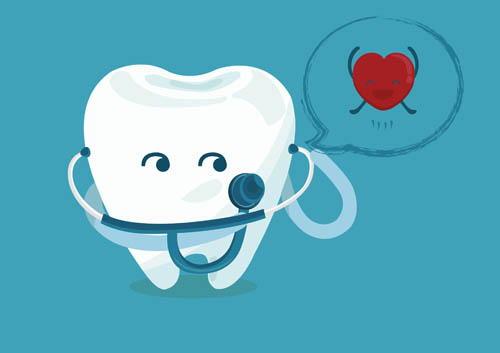
If you are like many people, you might think of your oral health as separate from your overall health. After all, most dental coverage plans are distinct from health care coverage. However, your oral health goes far beyond being able to chew nutritious and enjoyable foods. Oral health problems may be an indicator of a variety of other health problems.

Links between Oral Health and Overall Health

In the late 1980s, researchers noticed a trend among patients who had recently suffered from heart attacks. As the Journal of the American Dental Association reported, they observed that these patients were more likely to have dental caries or cavities, periodontitis or inflammation around the tooth, and other forms of gum disease. Later studies found similar results, and dentists and doctors now recognize poor oral health as a risk factor for a variety of heart conditions, such as heart attacks, atherosclerosis, and coronary heart disease.

There are even more links between oral health problems and overall health problems. Some individuals do not find out that they have Type 2 diabetes until a dentist sees that they have periodontitis. If you have diabetes, worsening periodontitis can indicate that your diabetes is not under control.

Poor oral health is also associated with rheumatoid arthritis. Furthermore, poor oral health puts you at higher risk for respiratory infections, such as pneumonia, because harmful pathogens can enter your body through your mouth.

Take Care of Your Teeth

Keeping your teeth healthy remains important, especially as you grow older. Older adults are more prone to dental caries and other oral health problems, as well as to chronic diseases. While taking care of your oral health might not prevent a specific disease, a healthy mouth is a significant factor in your overall health.

You can take care of your teeth by continuing to brush twice a day and floss every day. Avoid consuming too many sugary and starchy foods, and drink water after each meal or snack to rinse your teeth. See Drs. Darrin and Greg Gremban for regular checkups, and contact Gremban & Gremban Dental if you have any concerns about your teeth or gums.

Dental Filling Options

July 24th, 2024

You’ve made an appointment at our Eagle River office to treat your cavity, the decayed area has been removed, and the site has been cleaned and prepared for a filling. Now it’s decision time. What kind of filling should you choose? Well, that depends. There are durability, aesthetic, and price considerations involved in any of your choices, so let’s look at some options before you decide.

Gold

This is a classic choice for a reason. Gold is very durable and can last longer than fillings made from other materials. Because they are crafted from precious metal, gold fillings are more expensive than other alternatives. They are also most often indirect fillings—that is, they are not immediately placed in a tooth, but are formed based on a mold of your tooth taken on your first visit and set in position on a second visit. A gold filling is also noticeable, which can be a matter of concern or a style statement!

Metal Amalgam

An amalgam is a mixture, and an amalgam filling is usually composed of several metallic elements, including silver, tin, copper, and mercury. This filling is also very durable and is one of the most cost-effective choices. Its silver color does not blend into the tooth, so visibility is a factor. Amalgam fillings are considered a safe option, but, if you wonder about potential metal allergies or the amount and kind of mercury involved, we will be happy to discuss your concerns. One possible drawback to amalgam fillings is that sometimes more tooth structure needs to be removed to accommodate them, so this is also a subject we can discuss.

Composite Resins

These fillings are often selected because they are both durable and almost invisible when the color is matched to your tooth. Made of acrylic resin and powdered glass, a composite filling is what is called a “direct filling”—one that can be completed and bonded to the tooth in one visit. These are often more expensive than amalgam fillings, but might be preferable for cosmetic reasons, especially when a front tooth is involved. They also need less tooth structure removed to accommodate them and can be better bonded to small excavations than some other options. They can be prone to staining over time.

Ceramic

Ceramic fillings have the virtue of being virtually undetectable. They can be color-matched to your teeth for a seamless look, and are more stain-resistant than composite fillings. They are also a more expensive option, and, like gold fillings, can involve a two-phase process with a filling molded to fit the excavation site placed in your tooth on a second visit.

Drs. Darrin and Greg Gremban and our team are happy to discuss all of your options before it is time to treat your cavity, since there are a number of factors which might impact your decision. A molar will require a more durable filling than a front tooth, while being less visible when you smile or speak. Insurance plans might pay for only a portion of a filling’s cost if it is more expensive than an amalgam, or will pay for a composite filling only if it is in a visible location. We can help you decide which filling best fits all your needs, providing you with the healthy and beautiful smile you deserve!

Warning Signs of Impacted Wisdom Teeth

July 17th, 2024

You might suspect that your wisdom teeth are starting to emerge, but knowing the signs of impacted wisdom teeth can help you be more proactive about your dental care. Impacted wisdom teeth can be extremely painful and can make your life truly miserable until they are removed. Therefore, looking for the early warning signs listed below, and seeing Drs. Darrin and Greg Gremban if you experience them, can help you conquer the problem before it conquers you.

There are three primary signs of impacted wisdom teeth. While every person may not have all three of these signs, you can usually expect to experience at least one of these if your wisdom teeth are impacted.

Unusual Pain

If you are feeling a type of teeth pain you've never felt before, especially when it is focused in the back area of your jaw, this may be a sign that you have a tooth impaction. You may be fortunate enough to catch it early, before all of your wisdom teeth become impacted, if you see Drs. Darrin and Greg Gremban as soon as you feel the pain.

Swollen Jaw

If your jaw is suddenly swollen and the area feels tender to the touch, you have a high chance of having an impacted tooth. Since the wisdom teeth are set so far back in your jaw, the swelling tends to show itself low in the jaw, towards the ears, when they are impacted.

Bleeding Gums

If your gums are bleeding, something you may notice when you see a pink or red tinged toothbrush, you may be dealing with a wisdom tooth issue. When the wisdom teeth are impacted, they put a lot of pressure on your back teeth and gums, which often leads to bleeding.

Visit our Eagle River office as soon as possible if you have any of the above signs of impacted wisdom teeth. The sooner you get treatment, the sooner the pain will be behind you for good!

Back to top