Gremban & Gremban Dental

Improving your smile

office
phone
  • 865 North Railroad Street
    Eagle River, WI 54521
  • (715) 479-6100

Our Blog

The History and Mythology of the Tooth Fairy

April 25th, 2023
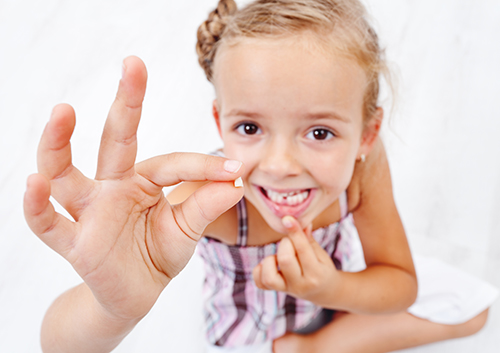
While the last baby teeth generally aren’t lost until age ten or 11, most children stop believing in the tooth fairy by the time they're seven or eight. Of course, children are more than happy to play along with the game when there’s money at stake! While it is impossible to know what the tooth fairy does with all those teeth (are they labeled and stored like museum pieces in a giant fairytale castle?), it is possible to trace the history and myth of the tooth fairy to several cultures and traditions. Drs. Darrin and Greg Gremban and our team learned about some interesting myths about the tooth fairy!

The Middle Ages

Legend has it that Europeans in the Middle Ages believed a witch could curse someone by using their teeth, so it was important to dispose of baby teeth correctly. Teeth were swallowed, buried, or burned. Sometimes baby teeth were even left for rodents to eat. Despite being pests, rodents were valued for their strong teeth; it was generally believed a tooth fed to a rodent would lead to the development of a healthy and strong adult tooth.

Eighteenth Century France

The tooth fairy myth began to show more characteristics of a conventional fairytale in 18th century France. La Bonne Petite Souris, a bedtime story, tells the strange tale of a fairy that changes into a mouse to help a good queen defeat an evil king. The mouse secretly hides under the evil king’s pillow and defeats him by knocking out his teeth.

Scandinavian Lore

So, why does the tooth fairy leave money under the pillow? The idea of exchanging a tooth for coins originated in Scandinavia. Vikings paid children for a lost tooth. Teeth were worn on necklaces as good luck charms in battle. While the idea of exchanging a tooth for coins quickly spread throughout the rest of Europe, a fierce, horn-helmeted Viking is far cry from the image of a fairy collecting teeth.

While the tooth fairy as children know her today didn’t make an appearance until the 1900s, tooth myths and rites of passage have existed in numerous cultures since the dawn of time.


Oral Health for the Young Adult

April 25th, 2023

Young adults often have the reputation of not taking good care of themselves. You may feel invincible, and not realize how much your behaviors now can affect your health later in life. Oral health is one area that is easy to neglect now, but that can lead to serious financial and quality of life consequences later.

Follow a Good Oral Care Regimen

If you don’t already do so, it’s time to brush, floss, and rinse as Drs. Darrin and Greg Gremban taught you. Brush at least twice a day or after meals, and floss your teeth every day. If recommended, use mouthwash to kill germs in your mouth. If you are not able to brush your teeth after eating, swish water around in your mouth to remove the food from your teeth. Leaving carbohydrates in your mouth allows bacteria to ferment it and produce acid, which can destroy your tooth enamel and put you at risk for decay.

Visit Our Office Regularly

Young adulthood can be a challenging time when it comes to medical care. Your parents are no longer paying for your health insurance or taking you to your appointments. You may not worry much about getting regular cleanings and exams, especially if you’re paying for them yourself.

However, young adults have a lot to gain from visiting our Eagle River office regularly. We can check for signs of problems and fix them early, which can save thousands of dollars and, ultimately, your teeth. These are some examples of what Drs. Darrin and Greg Gremban and our hygiene team can do for you.

  • Get rid of plaque so it does not develop into tartar and cause periodontitis.
  • Identify and fill small areas of tooth decay to prevent it from progressing.
  • Examine your gums for signs of gingivitis, or early gum disease.

Consume a Tooth-Healthy Diet

A nutritious diet is not just for preventing heart disease and diabetes later in life. It also supports your teeth. Make sure to get plenty of calcium, such as from dairy products, canned fish, and leafy green vegetables to allow for strong teeth. Also, limit sticky foods and sugary sweets.

Is there a connection between oral health and school performance?

April 25th, 2023

As a parent, you want the best for your children, and that includes doing their best in school. You can support them by taking an interest in their activities, being enthusiastic about attendance, and helping them with homework. There may also be one more way you can help your children succeed at school. Surprisingly, research suggests that children with better oral health are likely to do better in school.

What the Research Says

One study in North Carolina looked at risk factors for poor school performance among school-aged children. As expected, the study found poor school performance linked to low socioeconomic status, low levels of parental education, and poor overall health. However, it also found a strong link between poor oral health and poor school performance, with children classified as having poor oral health 40 percent more likely struggle in school.

These findings are generalizable to the rest of the country. For example, attendance is an important factor in academic achievement, but dental conditions are responsible for a loss 51 million school hours among schoolchildren each year. Dental pain and infection are linked to poorer performance.

School-Based Programs to Promote Oral Health

In light of the apparent benefits of good oral health for school performance, some schools are taking steps to promote better oral care and health. In Maine, for instance, schools in need can apply for grants through School Oral Health Program (SOHP). The SOHP consists of four components:

  1. Oral health education for all children to support healthy behaviors
  2. A weekly fluoride mouth rinse to strengthen teeth
  3. Dental screenings to identify children who may need dental care
  4. Dental sealants, or plastic coatings, on back teeth to guard against decay

The State of Maine also supports an “Annual Sugar Out Day” to raise awareness of the effects of sugar on dental health and to help students choose low-sugar alternatives.

Oral Health Habits to Adopt

You can help your child improve oral health and do better in school by encouraging good oral hygiene. This includes brushing at least twice a day with a fluoride-containing toothpaste, and reminding your child to drink water after eating. Also, regular trips to our Eagle River office can help prevent serious tooth problems.

Don’t Let Craze Lines Faze You

April 5th, 2023

You’re getting ready for a night out, or you’re checking to make sure you removed every bit of spinach after eating, or you’re practicing your best selfie smile . . . and suddenly, you see something alarming in the mirror—tiny cracks in your tooth enamel! Is this a dental emergency?

Almost always, the answer will be no.  Cracks like this are most likely “craze lines,” and craze lines are not serious cracks in your teeth. These diminutive flaws are shallow vertical cracks in the enamel which don’t go all the way through the tooth and don’t affect the tooth’s structural integrity. Like the crazing on a piece of glazed pottery, these tiny cracks are superficial, and the only reason for concern is cosmetic.

  • Cause for Crazing?

Time and normal wear on our enamel are the most common culprits. Years of biting and chewing are stressful.

But you can help prevent additional craze lines by avoiding bad habits which can put external stress on your teeth: nail biting, knocking on teeth with oral jewelry, crunching down on ice cubes, using your teeth to open bottle caps—in fact, using teeth for anything other than chewing food.

Grinding your teeth is also hard on your enamel. If you suffer with bruxism (the medical term for tooth grinding), ask Drs. Darrin and Greg Gremban about a mouthguard or night guard. Eliminating the extra stress of unconscious grinding and clenching reduces the chances of craze lines. Even better, getting treated for bruxism can reduce the risk of serious pain and damage to your teeth and jaws.

  • Staining Can Make Craze Lines More Visible

Craze lines are often invisible unless the light is just right. However, you can make craze lines more noticeable if you drink coffee, tea, red wine, or dark sodas regularly. And if you need another reason to give up tobacco products, smoking, chewing, or any other use of tobacco can also darken craze lines.

Stains in craze lines don’t usually respond to brushing. You might be able to lighten stains with home or professional whitening. Ask Drs. Darrin and Greg Gremban for the options which are best for your staining.

  • Repairing Craze Lines

Don’t let tiny flaws keep you from smiling! If you are unhappy with the appearance of your enamel, talk to us about possible treatments, including bonding and porcelain veneers.

  • When It’s More Than a Craze Line

While a craze line is generally nothing to be concerned about, a deep line, or a line which is getting bigger, might suggest a crack in the tooth. Cracks need to be assessed and treated to avoid damage not only to the exterior of the tooth, but to the pulp of the interior as well.

How can you tell the difference? Craze lines are not painful; a cracked tooth might be. Sensitivity to hot and cold foods, painful chewing, gums swollen around a tooth, pain when you bite down, a crack that is getting larger—any of these symptoms could be a sign that you have a cracked tooth. These are reasons to visit our Eagle River dental office ASAP.

Craze lines might be medically harmless, but if they impact your confidence, that’s a problem. Our team can help you change habits that are causing craze lines, remove staining, or repair cosmetic damage. If you’re not crazy about those craze lines, ask us for solutions that will bring back your confidant smile.

Back to top