Gremban & Gremban Dental

Improving your smile

office
phone
  • 865 North Railroad Street
    Eagle River, WI 54521
  • (715) 479-6100

Our Blog

What did the first dentures look like?

November 18th, 2020
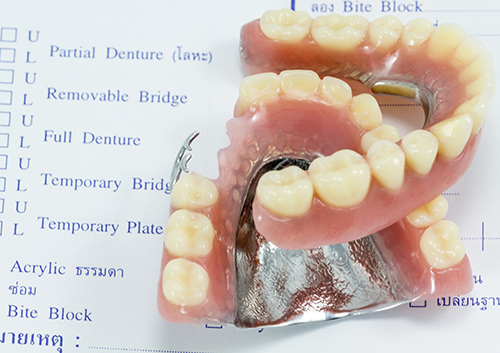
Remember hearing about George Washington and his wooden choppers? Not his tools for cutting down cherry trees, but his false teeth.

Actually, George’s teeth were made of ivory but were so stained that they appeared to be made out of wood. You might think those were the earliest dentures. In fact, the history of false teeth goes back centuries before President Washington.

Ancient Times

The earliest known dentures consisted of human or animal teeth tied together with wires. Examples of such dentures have been found in Egyptian and Mexican archeological sites. Other ancient peoples use carved stones and shells to replace lost teeth. These early dentures were probably made for cosmetic purposes. The materials they used were not likely to stand up to the pressure placed on teeth during eating.

The earliest surviving set of complete dentures were actually made out of wood (sorry, George). They were found in Japan and date back to the 16th century.

Human and animal teeth continued to be popular materials for dentures until the 20th century in some parts of the world. But the difficulty obtaining healthy teeth (and the risk of disease from unhealthy teeth) led dentists to search for other substances.

Modern Era

In the 18th century, dentists began using porcelain, ivory, gold, silver and even rubber as tooth substitutes. Dentures made with these substances could be used in eating. They were often ill-fitting, however, which may explain why George Washington looks puffy and glum in many portraits.

Porcelain and metals were the most popular denture materials until about 1950, when plastics and resins were developed. Tough and durable, these materials make up most of the dentures Drs. Darrin and Greg Gremban and our team use today.

Still, what goes around comes around. Researchers at the University of Texas are looking at using human teeth for dentures once again. Only in this case, the researchers hope to use biotechnology to spur the growth of new sets of teeth to replace those lost over a lifetime.


Are you nervous about seeing the dentist? You’re not alone!

November 11th, 2020

With advances in modern dentistry, a trip to Gremban & Gremban Dental these days is pretty routine. But visiting Drs. Darrin and Greg Gremban and our team still makes some patients anxious—so much so that they don’t go as often as they should and end up with costly complications down the road, such as tooth decay or gum disease.

When it comes to dental care, prevention is the best medicine. And that begins with regular checkups and dental cleanings at our convenient Eagle River office. Today, we thought we would offer five tips for taking the pain out of a visit to see Drs. Darrin and Greg Gremban:

1. Ask yourself: What are you most afraid of? Is it the sound of the drill? Do you have needle phobia? Have you been traumatized by previous dental visits? Write down your fears, one by one and talk about them during your visit.

2. Don’t wait. The more frequently your visit our office, the less work will need to be done at any given visit. Simply having your teeth cleaned professionally by Drs. Darrin and Greg Gremban twice a year prevents many, if not most, problems down the road.

3. Bring a distraction such as music to your appointment. Just plug in those earphones, close your eyes, and get lost in the music. Listening to tunes can also be a pain killer.

4. Unwind. Inhaling slowly and counting to five helps. Try holding your breath for ten seconds, then exhale slowly to the count of eight, and repeat as needed.

5. Ask us. Before any given procedure, we encourage you to ask Drs. Darrin and Greg Gremban or one of our assistants why we’re using the tools we’re using. Ask us what we’re doing, what the tool is used for, and how it benefits you. Also, please ask about anti-anxiety medications we may prescribe to help you relax during your appointment.

If you suffer from dental anxiety, a visit to Gremban & Gremban Dental might seem like a daunting prospect. Perhaps you had a bad experience in the past, but whatever the reason, please know that at our Eagle River office, there is nothing to be afraid of.

Remember, you’re not alone. We understand that going to the dentist isn’t easy for everyone. In fact, the Journal of the American Dental Association estimates that as many as 12 percent of adults suffer from dental anxiety so bad that they avoid the dentist altogether. Many more suffer from varying degrees of dental anxiety, which often results in poor oral health.

If you suffer from dental anxiety, your fears don’t have to keep you from seeing Drs. Darrin and Greg Gremban. Our patients at Gremban & Gremban Dental are our most important asset, and we strive to create a comfortable experience, no matter how long it has been since your last visit at our Eagle River office. We hope to see you soon!

Cold Comfort

November 4th, 2020

The sounds of the season are filling the air—falling leaves rustling along the sidewalk, football cheers, holiday greetings—and the coughs and sneezes of your fellow sufferers. Yes, it’s cold and flu season, and you’re one of the unfortunate people who’s caught whatever it is that’s been going around. While you’re recuperating, here are some tips for looking after yourself and your dental health.

  • Keep Hydrated

Fevers, sweating, diarrhea, and vomiting can all lead to dehydration. You know how serious that can be for your overall health, but it also leads to problems for your oral health. Lowered saliva production puts you at an increased risk for cavities, since saliva washes away food particles and bacteria, neutralizes cavity-causing acids, and helps strengthen tooth enamel. In addition to the dehydration illness can cause, many over the counter medications leave your mouth dry as well. Be sure to drink fluids throughout your illness, and, as always, try to avoid sugary beverages and acidic drinks.

  • Keep Up Your Dental Hygiene

You may feel like you never want to get out of bed again, but it’s important to maintain your dental routine. Brushing and flossing are still necessary to protect your teeth and gums. And try gargling with warm saltwater or a mouth rinse. You’ll not only soothe a sore throat and help prevent the bad breath that sinus problems can cause, but you’ll also reduce oral bacteria and plaque.

  • Keep Away from Your Toothbrush after Vomiting

Even though cleaning your mouth and teeth might be the first thing you want do to after throwing up, wait at least half an hour before brushing your teeth. Cavities occur over time when tooth enamel is weakened by the acids oral bacteria produce. When you vomit, your teeth are exposed to much stronger stomach acids, and immediate brushing simply brushes these acids on to your enamel. One common recommendation is to mix a teaspoon of baking soda with a glass of water, swish it around your mouth, and spit it out. Or simply use a glass of plain water, and repeat if needed.

  • Keep Your Cough under Control

Here’s a tip your family, friends, co-workers, and fellow public transportation users will thank you for: If you are sick, stay home. If you do find yourself coughing while around others, cover your mouth. Cough into a tissue instead of your hands or the open air. If you don’t have a tissue available, cough into your upper sleeve.  And while you’re protecting others, protect your tooth enamel. Replace overly sweet cough syrups with tablets, and, if you are using cough drops, remember that sucking on a sugary cough drop is like sucking on candy. Look for the sugar-free variety and use only as directed.

  • Don’t Keep Your Toothbrush

Now that you’re feeling better, it might be time to throw out your toothbrush. The chances of re-infection are low (unless you have a compromised immune system), but we often hang on to our toothbrushes long after their effective days are past. A toothbrush should only last around three to four months. If yours is older than that, this is a perfect opportunity to replace a brush that might be getting a bit long in the tooth with a fresh, germ-free model.

Above all, be good to yourself when you are ill. Drink healthy fluids, maintain your dental routine, and treat your teeth and your body with care. Here’s wishing you a speedy recovery, continuing dental health, and a season filled with beautiful smiles.

Alleviate Tooth Sensitivity

October 28th, 2020

If a sip of ice water, spoonful of ice cream, or piping hot latte is enough to send shivers up your spine from tooth sensitivity, be assured you are not alone. It’s estimated that as many as one in eight adults suffers from tooth sensitivity.

What causes sensitive teeth?

Some of the causes of tooth sensitivity include brushing too hard, a cracked tooth, receding gums, periodontal disease, tooth bleaching, or other conditions that expose the sensitive roots of your teeth. For example, brushing too aggressively can injure your gums, and lead to exposed roots and tooth sensitivity.

When the enamel on the outside of the tooth or tissue located between the teeth breaks down or wears away, nerves inside the tooth trigger sensitive teeth that are particularly noticeable when you drink or eat anything hot or cold.

How to alleviate tooth sensitivity

Fortunately, there are a number of things you can do, both at home and at the dental office, to reduce the discomfort of sensitive teeth. Brushing with desensitizing toothpaste is one of the ways to reduce tooth sensitivity: it works well for many patients, and is typically the first course of action.

  • Brush with toothpaste specifically designed for sensitive teeth.
  • Change the way you brush by using a soft toothbrush and not brushing too aggressively.
  • Avoid brushing teeth after consuming acidic foods and beverages, like orange juice and pickles.
  • Drink water or milk after eating or drinking acidic foods or beverages.
  • Sip through a straw when you drink acidic beverages.
  • Wear a mouthguard at night to prevent teeth grinding that wears down teeth.
  • Ask Drs. Darrin and Greg Gremban about fluoride dental treatments or plastic resin.

For moderate-to-serious cases of tooth sensitivity, more invasive professional dental treatments are available. These include a bonding agent designed to seal/cover the exposed root, obtaining new gum tissue through graft (for receding gums), fillings, crowns, inlays, or bonding. When tooth sensitivity is persistent and results in hypersensitivity, endodontic treatment in the form of root canal may be recommended.

To learn more about tooth sensitivity, or to schedule an appointment with Drs. Darrin and Greg Gremban, please give us a call at our convenient Eagle River office!

Back to top