Gremban & Gremban Dental

Improving your smile

office
phone
  • 865 North Railroad Street
    Eagle River, WI 54521
  • (715) 479-6100

Our Blog

Tooth Protection and Winter Sports

January 2nd, 2020
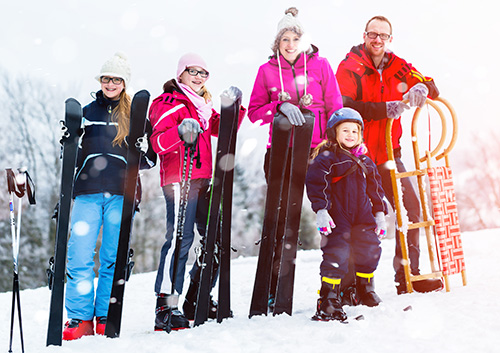
Just because it’s cold out there doesn’t mean you’ll give up keeping fit and active! Winter is the season for some of our favorite team sporting activities, and when you’re donning your protective gear, don’t forget to protect your teeth as well.

  • Basketball

This sport actually tallies one of the highest counts of dental injuries. Running, jumping, and diving for the ball on an unforgiving court can lead to tooth and jaw injuries.  And for every ten men on the floor, it seems like there at least 50 flailing elbows in the paint.

  • Hockey

Notorious for the toll it takes on teeth, hockey is a game of sticks, ice, and whizzing pucks. And when your sport’s penalties include the terms hooking, slashing, and tripping, the more protection, the better.

  • Skiing

When you are flying down the slopes, combining powdery snow and speed, mouth protection is a good idea. This also applies to snowboarding and other snow sports.

  • Wrestling

Grappling and pinning in close quarters can lead to unintended injuries after accidental contact with the mat or your opponent.

Different uniforms, different equipment, and different playing fields, but all these sports have one thing in common—the easiest way to protect your teeth while playing them is with a mouth guard.

Mouthguards generally come in three forms:

  • Over the counter, ready-made appliances. These are available in drugstores and sporting goods stores, but might not be a comfortable fit as they are pre-formed sizes.
  • The “boil-and-bite” option is a mouthguard form placed in hot water. You then bite down to shape it to your mouth and teeth.
  • Custom mouthguards can be fabricated just for you through our Eagle River office. These appliances are designed to fit your individual mouth and teeth, so provide a better fit and better protection. They are also usually more durable and more comfortable. If you wear braces, you definitely need a custom mouthguard to prevent an injury to your mouth or braces caused by an ill-fitting appliance.

Whether you play on a team or pursue individual athletic activities, keeping safe as you keep fit is your first priority. We would be happy to discuss your mouthguard options for any sport, any time of year.


New Year's Day Around the World

December 26th, 2019

New Year’s Day marks the beginning of the calendar year in most parts of the world. The holiday is celebrated on January 1st of each year. Customs and celebrations vary by country, religion, and even individual desires. Whether celebrated quietly or with gusto, the day brings the start of new opportunities for those that observe it.

United States and Canada

In both the US and Canada, celebrations begin on New Year’s Eve. At midnight on January 1st the New Year is welcomed with bells, horns, whistles, and other noisemakers. Fireworks are often part of the celebrations. In New York City, Times Square comes alive with revelers. In Toronto, there are large celebrations which may feature concerts, late-night partying, sporting events, and fireworks, with free public transit service during peak party times. Many individuals in North America greet the year by making resolutions for improvements in their lives.

China

In China, many people celebrate two forms of a new year. They may observe January 1st, but the traditional Chinese New Year is based on a lunar calendar. Parades with paper lanterns and dragons made from silk are a significant part of the festivities. Legends say that the dragon spends most of its time in hibernation so fireworks are used to keep the dragon awake.

Jewish Celebration

Jewish New Year’s observances begin with Rosh Hashanah, the first day of the New Year, and end with Yom Kippur, the Day of Atonement. This ten-day celebration is held in September or October, based on the Hebrew calendar. The New Year is not marked as much with loud celebrations as with personal insight to mend wrongs and resolve to better oneself.

Other countries and cultures also have different dates for New Year’s Day observances:

  • Vietnam observes the New Year in February
  • In Iran, the day is celebrated on March 21st
  • Islamic cultures often observe the tenth day of the month of Muharram
  • Russian Orthodox observers use the Julian calendar and celebrate on January 14th
  • Buddhist celebrations are held from April 13th through 15th

If you observe New Year’s Day by making healthy resolutions, include dental care in your plans with Drs. Darrin and Greg Gremban. The health of your teeth and gums contributes to your overall health. Caring for your mouth now can prevent many dental problems later in life. Gremban & Gremban Dental wishes you a healthy, prosperous, and happy New Year!

The Effects of Biting Your Nails

December 19th, 2019

Also known as onchophagia, the habit of nail biting is one of the so-called “nervous habits” that can be triggered by stress, excitement, or boredom. Approximately half of all kids between the ages of ten and 18 have been nail biters at one time or another. Experts say that about 30 percent of children and 15 percent of adults are nail biters, however most people stop chewing their nails by the time they turn 30.

Here are four dental and general reasons to stop biting your nails:

1. It’s unsanitary: Your nails harbor bacteria and germs, and are almost twice as dirty as fingers. What’s more, swallowing dirty nails can lead to stomach problems.

2. It wears down your teeth: Gnawing your nails can put added stress on your pearly whites, which can lead to crooked teeth.

3. It can delay your orthodontic treatment: For those of our patients wearing braces, nail biting puts additional pressure on teeth and weakens roots.

4. It can cost you, literally: It has been estimated that up to $4,000 in extra dental bills can build up over a lifetime.

Drs. Darrin and Greg Gremban and our team recommend the following to kick your nail biting habit:

  • Keep your nails trimmed short; you’ll have less of a nail to bite.
  • Coat your nails with a bitter-tasting nail polish.
  • Ask us about obtaining a mouthguard, which can help prevent nail biting.
  • Put a rubber band around your wrist and snap it whenever you get the urge to gnaw on your nails.
  • Think about when and why you chew your nails. Whether you are nervous or just bored, understanding the triggers can help you find a solution and stop the habit.
  • If you can’t stop, behavioral therapy may be an effective option to stop nail biting. Ask Drs. Darrin and Greg Gremban and our team for a recommendation.

Do You Have A Cavity?

December 12th, 2019

Sometimes cavities are hard to avoid. Our team at Gremban & Gremban Dental wants you to know you aren’t alone when it comes to getting cavities. They can appear in both children and adults, and in order to avoid the pain and hassle, you need to understand how they form and what to do to prevent them from developing in the first place.

Cavities form when bacteria, acids, or sugars build up and form plaque on your teeth, which can destroy your enamel. When you don’t brush and floss properly, the build-up can cause cavities to form. In essence, a cavity is a decayed part of your tooth that cannot be repaired by your body’s immune system. This is why a dentist will need to treat your cavity with a filling. If it grows for too long and manages to infect the root of your tooth, a root canal may be the only solution.

Cavities are often symptom-free; you might not experience any pain at first, other than the occasional irritation when you drink a hot or cold beverage. Other signs of possible cavities include persistent bad breath, pus or discharge around a tooth, black or brown discoloration, small pits or holes in a tooth, and perhaps a sticky feeling when you bite down. It’s crucial to treat cavities sooner rather than later if you wish to avoid excessive pain and the necessity of a root canal.

You can avoid cavities by keeping up with good oral hygiene, eating a well-balanced diet, and scheduling regular cleanings with Drs. Darrin and Greg Gremban. They can still occur at any time, no matter what age you are, so make sure to brush, floss, and rinse every day. If you notice any of the above symptoms, please contact our Eagle River office and schedule an appointment.

Back to top