Gremban & Gremban Dental

Improving your smile

office
phone
  • 865 North Railroad Street
    Eagle River, WI 54521
  • (715) 479-6100

Our Blog

Teeth Grinding Can Damage Your Teeth

June 17th, 2026

Grinding of the teeth, also known as bruxism, is a serious condition from which nearly ten percent of Americans suffer. It’s a mechanical reflex that often happens during slumber. Unfortunately, most people don’t recall grinding their teeth when they awaken.

This makes it difficult to catch the condition before serious damage occurs. Some people notice soreness in their jaw, shoulder and neck pain, or even headaches. Others aren’t so lucky and don’t feel any pain until a professional notices they have developed cracked teeth, receding gums, and jaw problems.

Drs. Darrin and Greg Gremban and our team hope to prevent teeth grinding before serious health concerns arise. Let’s go over the reasons for grinding as well as preventive tips to help you feel better fast.

Why do you grind your teeth?

The most common reasons for teeth grinding include:

  • Stress
  • Anxiety
  • Aggression
  • Poor muscle control
  • Acid reflux
  • Sleep apnea
  • Complications from certain disorders

It’s worthwhile to understand the reason you’re grinding your teeth, but it’s even more vital to treat the issue quickly. You can take measures to alleviate the pain you may be experiencing, such as applying a warm wash cloth to your jaw, taking muscle relaxants, massaging the jaw muscles, visiting a chiropractor, or doing physical therapy.

Prevention

To protect your oral health and jaw bones, try these preventive measures:

  • Reduce the amount of stress in your life
  • Drink plenty of water every day
  • Avoid chewing gum or chewy foods
  • Get plenty of sleep each night
  • Reduce or stop alcohol and caffeine consumption
  • Get a custom mouthguard from Gremban & Gremban Dental

Drs. Darrin and Greg Gremban and our team want to make sure you’re properly treating your teeth grinding issues. Feel free to call our Eagle River office if you think you may be suffering from this condition, or have questions regarding a treatment plan.

Teeth grinding can lead to far more serious health issues, and should be ended before it becomes a major concern.


Creating a Dental Home

June 10th, 2026

As a parent, you know how important a happy, relaxed atmosphere is when it comes to making your child feel at home. We would like to make our Eagle River practice your dental home, where you and your family enjoy the best of dental care in a warm and welcoming environment.

What makes a dental home?

  • It’s Welcoming

From your child’s first visit, we strive to make you both feel at ease. Our office is designed to be a happy, entertaining, and relaxing place, and our staff is trained in making little ones feel calm and secure. We want to have a lasting relationship, and we want you and your child to feel welcomed back whenever you return.

  • It’s Familiar

We recommend visiting our office for the first time by the time of your child’s first tooth or first birthday. Our early visits are designed to make your child familiar with what a dentist does and how a dentist helps keep children healthy. Regular preventative care will keep those little teeth in great shape, and, if your child has a cavity that needs filling or requires any other dental procedure, we will have a history together and a familiar place to experience an unfamiliar treatment.

  • It’s Comfortable

We use state-of-the-art dentistry to make sure your child has the best and most comfortable treatment as a patient, and we also consider the psychological aspect of each visit for your particular child. We are experienced in dealing with children who might feel anxious and working with them to overcome their worries. Part of our job is to make each visit a happy one, so your child is always comfortable visiting us.

  • It’s Ongoing

We want to establish a relationship that will last through the years. Continuity of care means that we are able to follow your child’s dental development during those active growing years and the transition from primary to permanent teeth. We provide not only dental health education, treatment, and preventive care, but can track any changes or potential problems before they become major issues. In case of a dental emergency, we will be familiar with your child personally, and with a dental history at hand.

Give Drs. Darrin and Greg Gremban a call to talk about your child and how we can make the dental experience a positive one from the very beginning. When it comes to establishing a happy and healthy foundation for your child’s dental history, there’s no place like our dental home!

Warming Up for Summer Weather

June 3rd, 2026

The barbecue’s fired up. T-shirts and shorts are back in style. Sandy beaches and sidewalks are sizzling. Summer’s officially here, and it’s time to get back into hot weather mode. This means getting back into some healthy summer habits.

Be Ready to Hydrate!

Warm weather can lead to dehydration before you know it. And water does more than hydrate—it rinses away food particles after eating or snacking, neutralizes enamel-eroding acids in the mouth, and helps us keep up healthy levels of saliva. 

  • A reusable water bottle is a summer shopping list must. When you’re out walking, hiking, exercising, or camping, you can’t always be sure you’ll have fresh water available. Fill your water bottle before you leave home—you’ll help yourself stay hydrated, save money, and protect the environment, too!
  • Go light on the sports drinks and sodas when planning your summer menus. They’re often filled with sugars and acids—two very unhealthy ingredients for your teeth. 

Restock Your Sunscreen

Sunscreen helps protect skin of all shades and all ages. Exposure to ultraviolet rays is known to cause skin cancer and premature aging. Lip tissue is thin and delicate, especially at risk from the sun’s damaging UV rays. 

  • Check your sunscreen for its expiration date. Protective sunscreens and lip balms lose effectiveness once that date has passed.
  • Some sunscreens are designed for use on lips. If yours isn’t, look for a protective lip balm. All of your sunscreens and balms should have an SPF (Sun Protection Factor) of 30 or higher.
  • Bring your sunscreen and balm with you when you’re out and about, and reapply every two hours, or sooner if you’re eating, drinking, or getting wet.

Prep for Summer Adventures

If you’re travelling this summer, make sure the right dental supplies are part of your gear. A travel size toothbrush and toothpaste, a well-ventilated toothbrush case, dental floss, and your dentist’s emergency contact information are basic necessities. Once you have the basics, you can tailor your kit to your summer plans:

  • Flying? Make sure every liquid, gel, or aerosol you’ll need is the proper size for carry-on flight rules, 3.4 oz (100 ml) or less. Toothpaste and mouthwash are included in these categories, so look for travel sizes in your favorites. 
  • Going overseas? Don’t forget plug adaptors or voltage converters if needed for your electric toothbrush.
  • Camping? An emergency kit with cotton rolls, over-the counter pain relief, oral pain relief gel, dental wax (for damaged braces or a broken tooth), and even temporary fillings and a tooth preservation kit can be crucial in case of unexpected dental injuries.

Make Sure Dental Care Is on Your Summer Calendar

Laid-back summer days are the best, but laid-back dental care really isn’t! Follow your healthy dental routine even during the lazy days of summer.

  • Keep up with your brushing and flossing—brush two minutes twice each day with a fluoride toothpaste, and floss at least once a day.
  • If you’re planning a trip, don’t ignore warning signs. If you have tooth pain or sensitivity, see your dentist to treat any problems before you’re cruising at 30,000 feet or enjoying a remote campout miles from anywhere.
  • Make sure you keep up with your scheduled exams and cleanings. That’s the best way to ensure year-round dental health!

Whether you’re basking in the warm outdoor weather, relaxing in the shade with a cool drink and a good book, on the road to adventure, or wherever your summer plans take you, we hope these easy tips will help you create a summer filled with bright, healthy smiles.

What should I use to clean my baby’s teeth?

May 27th, 2026

You might think babies don’t need to brush their teeth, especially when they don’t have any. But by starting good habits like brushing when your child is young, you can lay the foundation for them to continue those good habits into adulthood.

When do I start?

The best time to start brushing your baby’s teeth is before he or she has any. Develop the habit of wiping your baby’s gums with a wet, soft washcloth or gauze every day. There is no need to use toothpaste, just wrap the gauze or cloth around your finger, moisten it with a little water, and gently rub it over the gums.

This helps your little one get used to brushing while it eliminates bacteria in the mouth that can harm emerging teeth. You don’t need to apply a lot of pressure or even take very long: just a quick, gentle rub over the gums will do it.

What do I use?

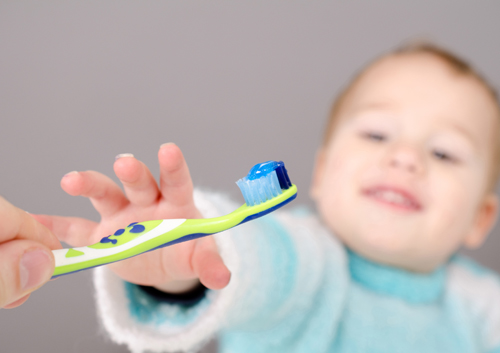
When your child’s teeth begin to come in, you will need to switch from a cloth to a baby toothbrush. Find one that has a grip big enough for your hand, but a head that is small enough to maneuver easily in your infant’s mouth.

You don’t need to use any toothpaste until your son or daughter is about a year old. Even then, though, you’ll want to use just a tiny amount: about the size of a grain of rice. When your toddler is about two years old, you can use a pea-sized amount.

By around six years of age, your child will probably rinse and spit without your help. At that point, you may want to introduce a child-friendly fluoride mouthwash.

How do I do it?

Your child probably won’t be able to brush his or her teeth alone until about the age of five or six. This means that you will need to do it. To brush your child’s teeth, gently use the brush over all the teeth and gums, even areas where the teeth have not come in yet.

As your child grows and becomes more independent, you can allow him or her to hold the toothbrush while you guide your child’s progress. Make sure you talk to your child while you are brushing, and explain why you brush: what you are doing and how you are doing it.

In addition to regular visits with Drs. Darrin and Greg Gremban, instilling good oral health habits in your child early on will ensure a lifetime of good dental health.

Back to top